Direct assistance
for cancer families.
Cash grants that cover the non-medical costs of treatment — transportation, lodging, parking, meals — so families can focus on care, not the bills that pile up alongside it.
What this program does.
The JRA Foundation Assistance Program provides direct financial grants to cancer patients and their families for the costs insurance won’t touch. No reimbursement forms. No vouchers. No months-long review cycles. Just cash, routed where it needs to go, fast.
We built this because we lived it. When John was in treatment, the travel, the hotels, the parking, the meals — the getting there — cost thousands of dollars over the course of the fight. His family could absorb it. Most families can’t. The research says they stop coming back.
This program exists so that “I can’t afford to get to the appointment” is never the reason a cancer patient misses care.
Who this program is for.
The Assistance Program is open to patients and families who meet the following criteria. If you’re unsure whether you qualify, apply anyway — our team will review and guide you.
Eligibility criteria
- Active cancer treatment. The patient is currently undergoing chemotherapy, radiation, surgery, immunotherapy, or another physician-directed cancer treatment.
- Verified diagnosis. A written statement, treatment plan, or care-team letter confirming the diagnosis and current treatment status.
- Demonstrated financial need. Household income within program thresholds, or documented hardship (loss of wages, unreimbursed travel costs, caregiving expenses).
- United States resident. Applicants must reside in the U.S. and receive treatment at a U.S.-based facility.
- Age. The program serves adult patients (18+). For pediatric cases, a parent or legal guardian applies on the patient’s behalf.
Caregivers and immediate family members living in the patient’s household are covered under the patient’s application. Costs for a spouse, parent, or child accompanying the patient to treatment are eligible.
The costs we take off the table.
Every grant is direct. Either paid to the family or paid directly to the vendor — the hotel, the gas card provider, the transportation service. Families never front the money and wait for reimbursement.
✓ Covered by this program
- ✓ TransportationFuel, mileage reimbursement, rideshare, public transit, airfare for out-of-area specialists, tolls
- ✓ LodgingHotels near treatment facilities, extended stays during multi-day procedures, caregiver accommodations
- ✓ Hospital parkingDaily and multi-visit parking passes at major cancer centers
- ✓ Meals during treatmentFood for patients and caregivers on treatment days — infusions, procedures, extended appointments
- ✓ Vehicle essentialsEmergency repairs, fuel assistance, or a reliable ride to treatment when a family’s car breaks down
✕ Not covered by this program
- ✕ Medical billsHospital charges, co-pays, deductibles, prescriptions, insurance premiums
- ✕ Research or clinical trial feesTrial participation costs, experimental treatments, genomic testing
- ✕ General household expensesRent, utilities, groceries outside of treatment days, childcare unrelated to the patient’s care
- ✕ Lost wages or income replacementDirect income replacement is outside the scope of this program
- ✕ Funeral or end-of-life costsThese are handled by separate grief-and-bereavement programs we can refer you to
Applying is four steps.
We designed this to be as simple as possible. Families in the middle of treatment don’t have the bandwidth for a bureaucratic application. Nobody should.
Confirm eligibility.
Review the criteria above. If you’re unsure, email us — we’d rather talk through a borderline case than turn someone away because they second-guessed themselves.
Gather documents.
A treatment plan or care-team letter, a recent pay stub or tax document showing household income, and a short summary of the costs you need help with. That’s it.
Submit the application.
Online form or PDF — whichever works for you. Takes 10–15 minutes. A social worker or care-team member can submit on the patient’s behalf.
Review and delivery.
Our team reviews within 7–10 days. Approved grants are paid directly to the family or to the vendor (hotel, gas card, transportation service). Denied applications always get a reason and, when possible, a referral to another resource.
Built to be fast,
fair, and human.
Cancer treatment moves on its own clock. The Assistance Program is built to keep pace — not to make families jump through hoops at the worst moment of their lives.
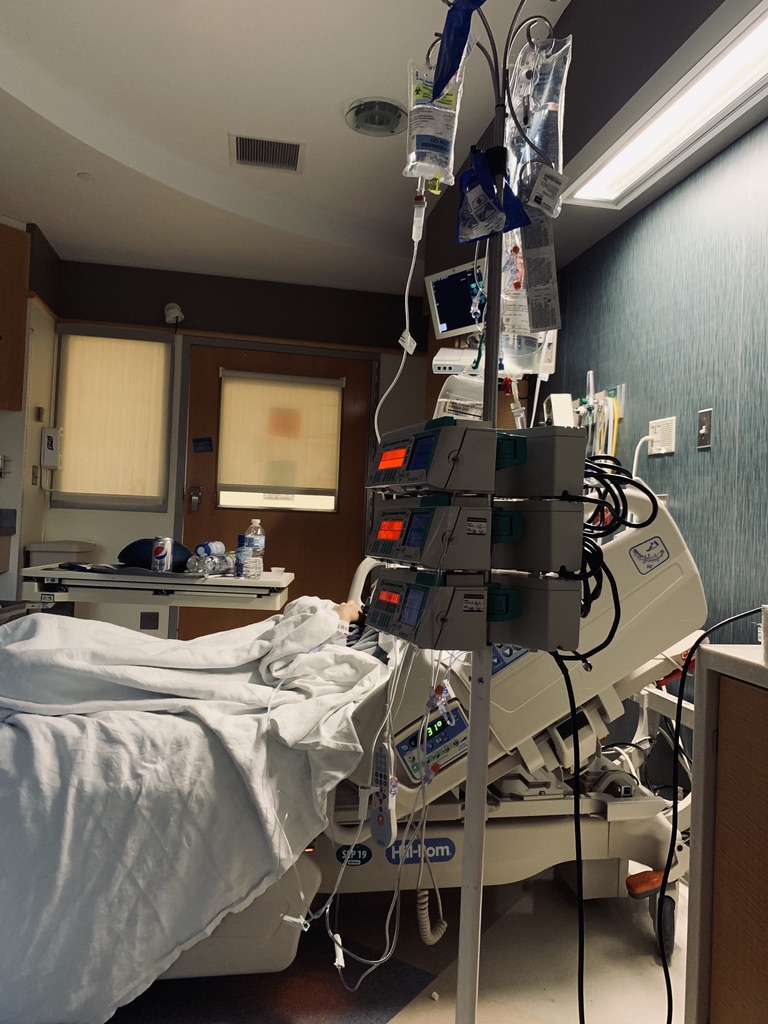
Treatment is a full-time job. The cost of showing up shouldn’t be another one.
Every dollar that goes through this program is cash that didn’t come out of a family’s savings, off a credit card, or out of a missed appointment.
Common questions.
Do I have to pay the program back?
No. Grants from the JRA Foundation Assistance Program are gifts, not loans. You will never be asked to repay them, and receiving a grant does not obligate you to anything.
Can I apply more than once?
Yes. Most treatment cycles stretch across months, and needs change over time. Families can apply up to twice per treatment cycle. If your situation changes significantly — new treatment, new location, new financial hardship — reach out and we’ll review.
What if I’m not sure I qualify?
Apply anyway. Our team reads every application. If you’re borderline on any criterion, we’ll work with you to understand your situation before denying anything. And if we can’t help, we’ll try to point you to a partner organization that can.
Can a caregiver, social worker, or family member apply on the patient’s behalf?
Yes. We encourage it. The application can be filled out by a spouse, adult child, caregiver, or hospital social worker. The patient just needs to consent, and we’ll need to verify the diagnosis through their care team.
How are grants paid out?
Direct to the family when the expense has already happened (gas, meals, parking), or direct to the vendor when the expense is upcoming (hotel, transportation service, rideshare credit). We route the payment the fastest way possible — ACH, prepaid card, or vendor invoice.
How long does the review take?
Our target is 7–10 business days from the time a complete application is received. Urgent cases — an appointment in the next 72 hours, a stranded family, a cancer center partnership referral — are reviewed within 48 hours.
Does a grant affect Medicaid, SNAP, or other benefits?
In most cases, no. Direct-payment assistance for non-medical treatment costs is generally not counted as income for federal or state benefit programs. We recommend consulting with a benefits counselor for your specific situation. We can refer you to one if helpful.
What if my application is denied?
You will always receive a written reason. If the denial is based on missing documentation or a technical issue, we’ll tell you how to resolve it and resubmit. If the denial is based on scope (something outside what this program covers), we’ll do our best to refer you to another resource.
Ready to apply — or still have questions?
The application portal is targeted to open in summer 2026 — we’re actively fundraising and finalizing partnerships now. In the meantime, if you or someone you’re caring for needs help right now, reach out directly. A human will respond within 24 hours.
We’re actively fundraising and lining up partnerships with cancer centers and treatment hubs. Once we hit the funding mark to support a meaningful first cohort and the partner network is ready, the online application opens. Until then: email us. We will help where we can.